Tuesday, September 18, 2012
Running Continuous Geo Experiments to Assess Ad Effectiveness
Advertisers have a fundamental need to measure the effectiveness of their advertising campaigns. In a previous paper, we described the application of geo experiments to measuring the impact of advertising on consumer behavior (e.g. clicks, conversions, downloads). This method involves randomly assigning experimental units to control and test conditions and measuring the subsequent impact on consumer behavior. It is a practical way of incorporating the gold standard of randomized experiments into the analysis of marketing effectiveness. However, advertising decisions are not static, and the original method is most applicable to a one-time analysis. In a follow-up paper, we generalize the approach to accommodate periodic (ongoing) measurement of ad effectiveness.
In this expanded approach, the test and control assignments of each geographic region rotate across multiple test periods, and these rotations provide the opportunity to generate a sequence of measurements of campaign effectiveness. The data across test periods can also be pooled to create a single aggregate measurement of campaign effectiveness. These sequential and pooled measurements have smaller confidence intervals than measurements from a series of geo experiments with a single test period. Alternatively, the same confidence interval can be achieved with a reduced magnitude or duration of ad spend change, thereby lowering the cost of measurement. The net result is a better method for periodic and isolated measurement of ad effectiveness.


More movies and TV shows from Twentieth Century Fox coming to Google Play and YouTube
Google Play and YouTube offer the latest new movie releases and your favorite TV shows to enjoy on your Android phone or tablet and on the web. But you’ve been missing one critical thing…Stewie Griffin. We’re happy to share that Stewie, “Family Guy,” and more than 600 other titles from Twentieth Century Fox will soon be joining the catalog for you to rent or buy on Google Play and YouTube.
Today you can buy Fox’s new release Prometheus in HD, available three weeks ahead of the Blu-ray, DVD and video-on-demand release. And over the next few weeks you’ll be able to rent or buy your favorite Fox movies like X-Men, Ice Age and Black Swan, and TV shows like “Glee,” “Modern Family,” “New Girl” and many more.
These new titles will be available first in the U.S., and we’ll be bringing them to more countries soon. We’re now working with all six of the major film studios and many independent studios to bring you the best new releases and your favorite classics to rent or own.
Friday, September 14, 2012
A new way of doing things on campus
Josh remembers the old days at college, when working on a group project meant trekking through the snow (uphill both ways, of course) to meet with his team in the library, followed by endless rounds of back-and-forth revisions (in red pen, no doubt). And by old days, he means last year. As Josh—a rising senior at Princeton University—heads back to campus this fall, he and his classmates will be getting a whole new experience with Google Apps for Education.
Princeton is just one of the many colleges and universities now using Google Apps. In fact, seven of the eight Ivy League universities and 72 of this year’s top 100 U.S. Universities (as determined by 2013 U.S. News and World Report’s ranking) have gone Google, too.
We’re also welcoming 14 other new schools to the Google Apps for Education family, just in time for back-to-school:
And this is just the beginning. As more schools go Google, we continue to be amazed by the creative ways students and teachers are using technology to work better together, and we’re looking forward to the surprises in store this school year.

(Cross-posted on the Google Enterprise Blog.)
Princeton is just one of the many colleges and universities now using Google Apps. In fact, seven of the eight Ivy League universities and 72 of this year’s top 100 U.S. Universities (as determined by 2013 U.S. News and World Report’s ranking) have gone Google, too.
We’re also welcoming 14 other new schools to the Google Apps for Education family, just in time for back-to-school:
- Bates College
- Carnegie Mellon University
- Georgetown University
- Princeton University
- Rice University
- Smith College
- Stony Brook University
- University of California, Berkeley
- University of Colorado, Boulder
- University of Dayton
- University of Mississippi
- University of Pennsylvania, School of Arts and Sciences
- Vassar College
- Virginia Tech
And this is just the beginning. As more schools go Google, we continue to be amazed by the creative ways students and teachers are using technology to work better together, and we’re looking forward to the surprises in store this school year.

(Cross-posted on the Google Enterprise Blog.)
Thursday, September 13, 2012
Google Maps shows how we spent summer 2012
In the blink of an eye, summer is coming to an end. It feels like it was just yesterday that I was planning out all my summer activities as I eagerly awaited the start of long, sunny days and warm nights.
Before we approach the official end of summer on September 21, our Google Maps team thought it’d be fun to see how those of us in the Northern Hemisphere have spent the dog days. To do this, we reviewed the summer search activity on maps.google.com in several countries between the end of May and the beginning of September. Within each country, a look at some of the top-rising searches and the often-searched landmarks on Google Maps gives us a sense of how people around the world spent their summers.
We’re honored that people rely on the comprehensive and accurate imagery in Google Maps to research, plan, preview and digitally experience distant as well as local destinations across the globe. Take a look and click through for a larger image:

North Americans sought out the best local beaches to help cool off from the summer heat. In comparison, many more people from Spain, Italy and France searched for community swimming pools. In cooler areas of the U.K. the rising Google Maps searches included many indoor activities such as squash, bars and going to the gym. And, as expected, travel was a clear choice for the summer, as indicated by a surge in searches for lodging in almost every region.
Many popular destination searches were located outdoors. National parks and Hawaiian islands were the most popular searches in the U.S., while local parks, zoos, gardens and playgrounds topped Canada’s and Europe’s list. Major landmarks such as the Empire State Building in New York City, Niagara Falls in Canada, the Eiffel Tower in Paris and the Taj Mahal in India also topped the list of often-searched places in Google Maps. And of course, with the Summer Games drawing in international audiences, Wembley Stadium and the Olympic Stadium were two of the most searched for locations throughout the U.K. this summer.
Check out the destinations that captured people’s attention this summer and see how your interests compared to others around the world. We hope you enjoy this look back to remember the fun places we all went with Google Maps this summer, and we can’t wait to help you find your next adventure!
(Cross-posted on the Lat Long blog)
Before we approach the official end of summer on September 21, our Google Maps team thought it’d be fun to see how those of us in the Northern Hemisphere have spent the dog days. To do this, we reviewed the summer search activity on maps.google.com in several countries between the end of May and the beginning of September. Within each country, a look at some of the top-rising searches and the often-searched landmarks on Google Maps gives us a sense of how people around the world spent their summers.
We’re honored that people rely on the comprehensive and accurate imagery in Google Maps to research, plan, preview and digitally experience distant as well as local destinations across the globe. Take a look and click through for a larger image:
North Americans sought out the best local beaches to help cool off from the summer heat. In comparison, many more people from Spain, Italy and France searched for community swimming pools. In cooler areas of the U.K. the rising Google Maps searches included many indoor activities such as squash, bars and going to the gym. And, as expected, travel was a clear choice for the summer, as indicated by a surge in searches for lodging in almost every region.
Many popular destination searches were located outdoors. National parks and Hawaiian islands were the most popular searches in the U.S., while local parks, zoos, gardens and playgrounds topped Canada’s and Europe’s list. Major landmarks such as the Empire State Building in New York City, Niagara Falls in Canada, the Eiffel Tower in Paris and the Taj Mahal in India also topped the list of often-searched places in Google Maps. And of course, with the Summer Games drawing in international audiences, Wembley Stadium and the Olympic Stadium were two of the most searched for locations throughout the U.K. this summer.
Check out the destinations that captured people’s attention this summer and see how your interests compared to others around the world. We hope you enjoy this look back to remember the fun places we all went with Google Maps this summer, and we can’t wait to help you find your next adventure!
(Cross-posted on the Lat Long blog)
Wednesday, September 12, 2012
Getting America’s businesses online
The web is where we go to find things—somewhere to eat tonight, someone to cut your hair or someone to come quickly to tend to your plumbing disaster. Ninety-seven percent of Americans who use the Internet—pretty much all of us—are looking online for local goods and services. Businesses need to be where their customers are. In 2012, that’s online.
Yet, more than half of all small businesses in the U.S. don’t have a website. Many of those businesses are completely invisible in the one place people are looking for them. The impact of being online is real: Businesses that make use of the web are expected to grow 40 percent faster and are nearly twice as likely to create jobs. Since small businesses make up half of the U.S. GDP and contribute two-thirds of all new jobs, the potential impact of getting these businesses (more than 15 million of them) online is enormous. We wanted to help spur a new wave of SMBs on the web, and change the perception that getting online is hard, expensive and time-consuming.
In July 2011, we went to Austin to get Texas businesses on the web. Texas Get Your Business Online helped any business in Texas get a free, easy-to-build website as well as a free, customized domain name and web hosting for one year. The tools and resources made it fast, easy and free for any business in Texas to get online.
The response from the small business community in Texas was tremendous—thousands of businesses started to get online at events throughout the state and on the web. So we decided to expand the program, going state-by-state to get businesses online. At the end of August 2012, we went to Alaska and Hawaii. These were our 49th and 50th states. Just over a year after our experiment in Austin, we’ve brought America Get Your Business Online to all 50 states, with help from ASBDC, Score, Intuit and over 500 local partners. We’ve had more than 20,000 small businesses attend more than 200 events throughout the country.
This is just the beginning of our commitment to get businesses on the web and succeeding online. Today, small businesses throughout the U.S. can get online for free at www.AmericaGetOnline.com. Businesses get a free, easy-to-build website as well as a free, customized domain name and web hosting for one year. It’s fast, it’s easy and it’s free.
If you’re a small business, get your business online today. Or, if you know a great business that is not online, use this tool to invite them to the web. Getting America’s businesses online may very well be the fastest, easiest step we can take to grow our small businesses and our economy.
Tuesday, September 11, 2012
Power Searching with Google is back
If you missed Power Searching with Google a few months ago or were unable to complete the course the first time around, now’s your chance to sign up again for our free online course that aims to empower our users with the tools and knowledge to find what they’re looking for more quickly and easily.
The community-based course features six 50-minute classes along with interactive activities and the opportunity to hear from search experts and Googlers about how search works. Beginning September 24, you can take the classes over a two-week period, share what you learn with other students in a community forum, and complete the course assessments to earn a certificate of completion.
During the course’s first run in July, people told us how they not only liked learning about new features and more efficient ways to use Google, but they also enjoyed sharing tips and learning from one another through the forums and Hangouts. Ninety-six percent of people who completed the course also said they liked the format and would be interested in taking similar courses, so we plan to offer a suite of upcoming courses in the coming months, including Advanced Power Searching.
Stay tuned for further announcements on those upcoming courses, and don’t forget to register now for Power Searching with Google. You’ll learn about things like how to search by color, image, and time and how to solve harder trivia questions like our A Google a Day questions. We’ll see you when we start up in two weeks!
Helping the World to Teach
In July, Research at Google ran a large open online course, Power Searching with Google, taught by search expert, Dan Russell. The course was successful, with 155,000 registered students. Through this experiment, we learned that Google technologies can help bring education to a global audience. So we packaged up the technology we used to build Power Searching and are providing it as an open source project called Course Builder. We want to make this technology available so that others can experiment with online learning.
The Course Builder open source project is an experimental early step for us in the world of online education. It is a snapshot of an approach we found useful and an indication of our future direction. We hope to continue development along these lines, but we wanted to make this limited code base available now, to see what early adopters will do with it, and to explore the future of learning technology. We will be hosting a community building event in the upcoming months to help more people get started using this software. edX shares in the open source vision for online learning platforms, and Google and the edX team are in discussions about open standards and technology sharing for course platforms.
We are excited that Stanford University, Indiana University, UC San Diego, Saylor.org, LearningByGivingFoundation.org, Swiss Federal Institute of Technology in Lausanne (EPFL), and a group of universities in Spain led by Universia, CRUE, and Banco Santander-Universidades are considering how this experimental technology might work for some of their online courses. Sebastian Thrun at Udacity welcomes this new option for instructors who would like to create an online class, while Daphne Koller at Coursera notes that the educational landscape is changing and it is exciting to see new avenues for teaching and learning emerge. We believe Google’s preliminary efforts here may be useful to those looking to scale online education through the cloud.
Along with releasing the experimental open source code, we’ve provided documentation and forums for anyone to learn how to develop and deploy an online course like Power Searching. In addition, over the next two weeks we will provide educators the opportunity to connect with the Google team working on the code via Google Hangouts. For access to the code, documentation, user forum, and information about the Hangouts, visit the Course Builder Open Source Project Page. To see what is possible with the Course Builder technology register for Google’s next version of Power Searching. We invite you to explore this brave new world of online learning with us.

Introducing a new YouTube app for your iPhone and iPod touch
For all you diehard YouTube fans out there who can’t get enough YouTube on your mobile, we’ve got some great news: starting today, you can download the official YouTube app for iPhone and iPod touch from the App Store, bringing you more of the videos you love and more ways to share them with the people you care about.
The new app is built by YouTube engineers, to give our iPhone and iPod touch users the best mobile experience. Here’s what you’ll find:
Tens of thousands more videos: Watch official music videos like Taylor’s latest hit.
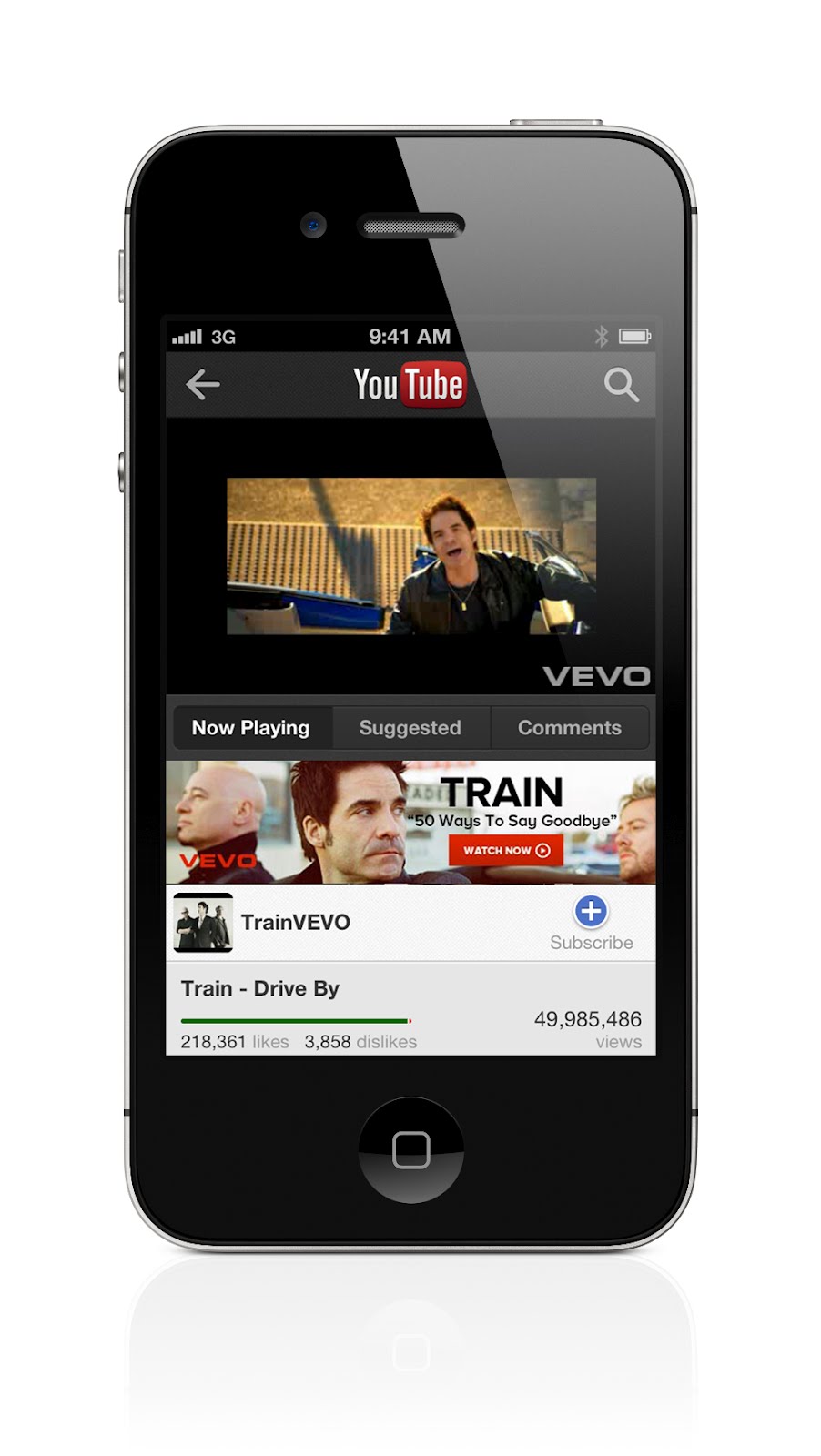
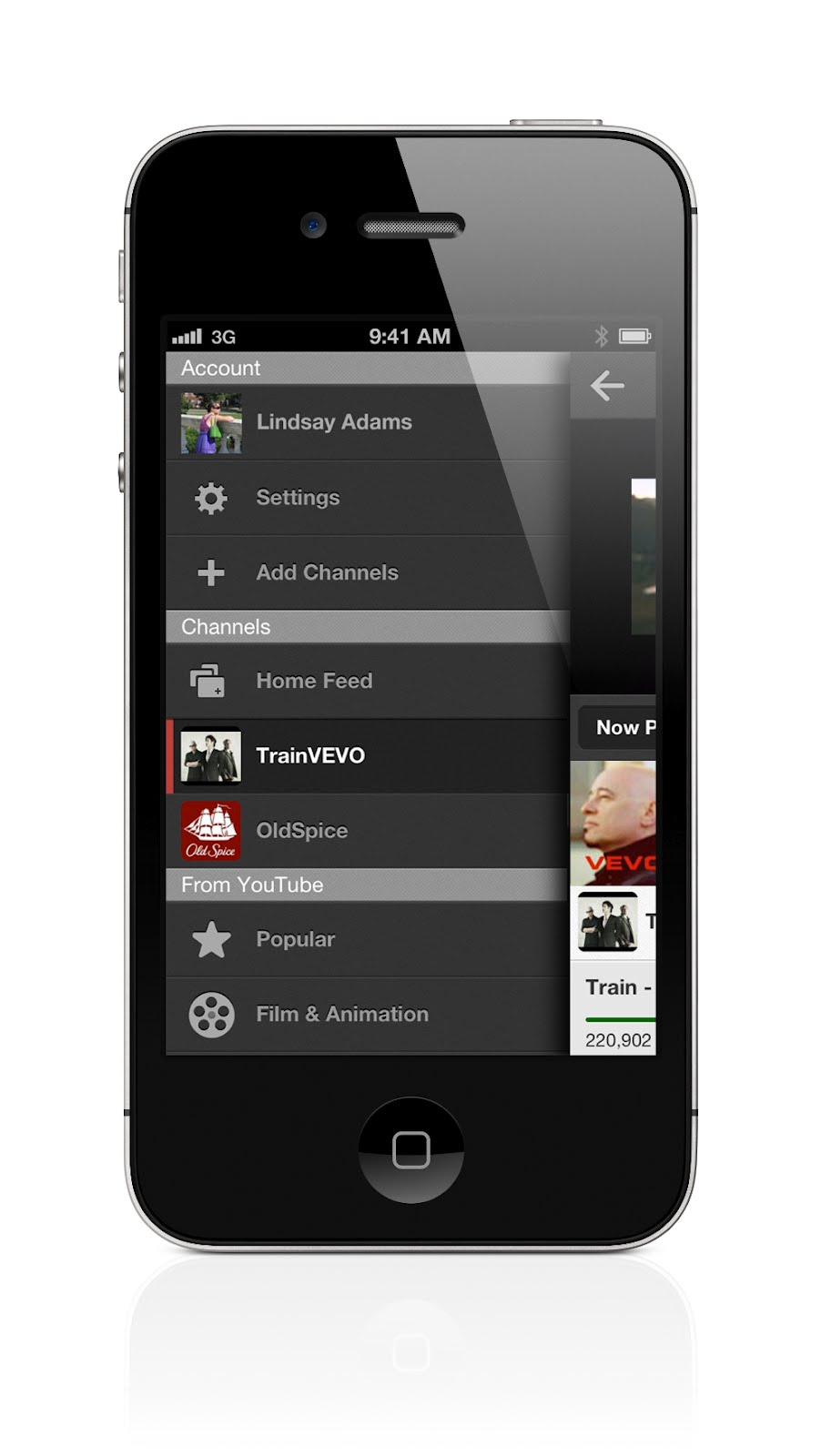
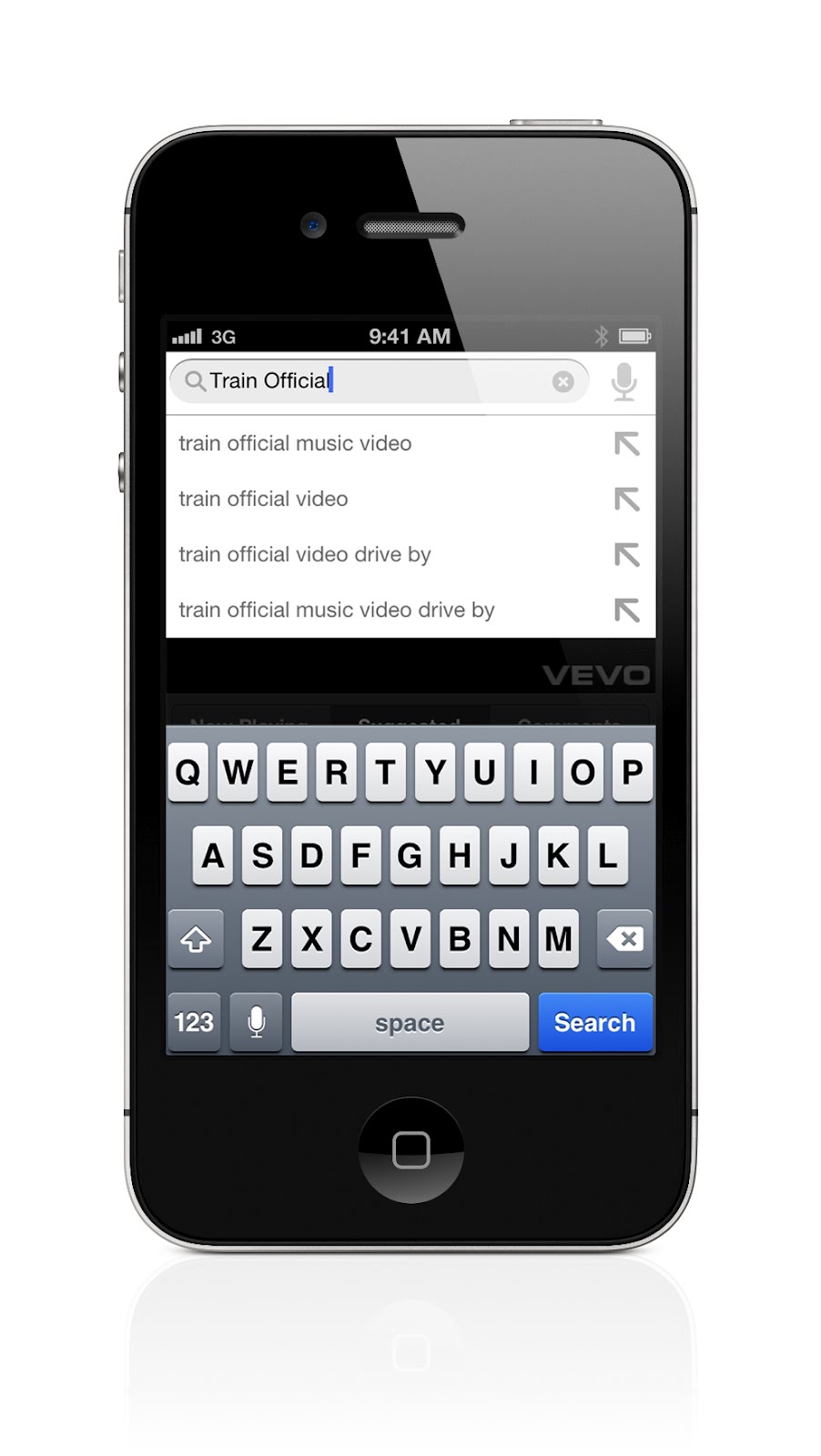
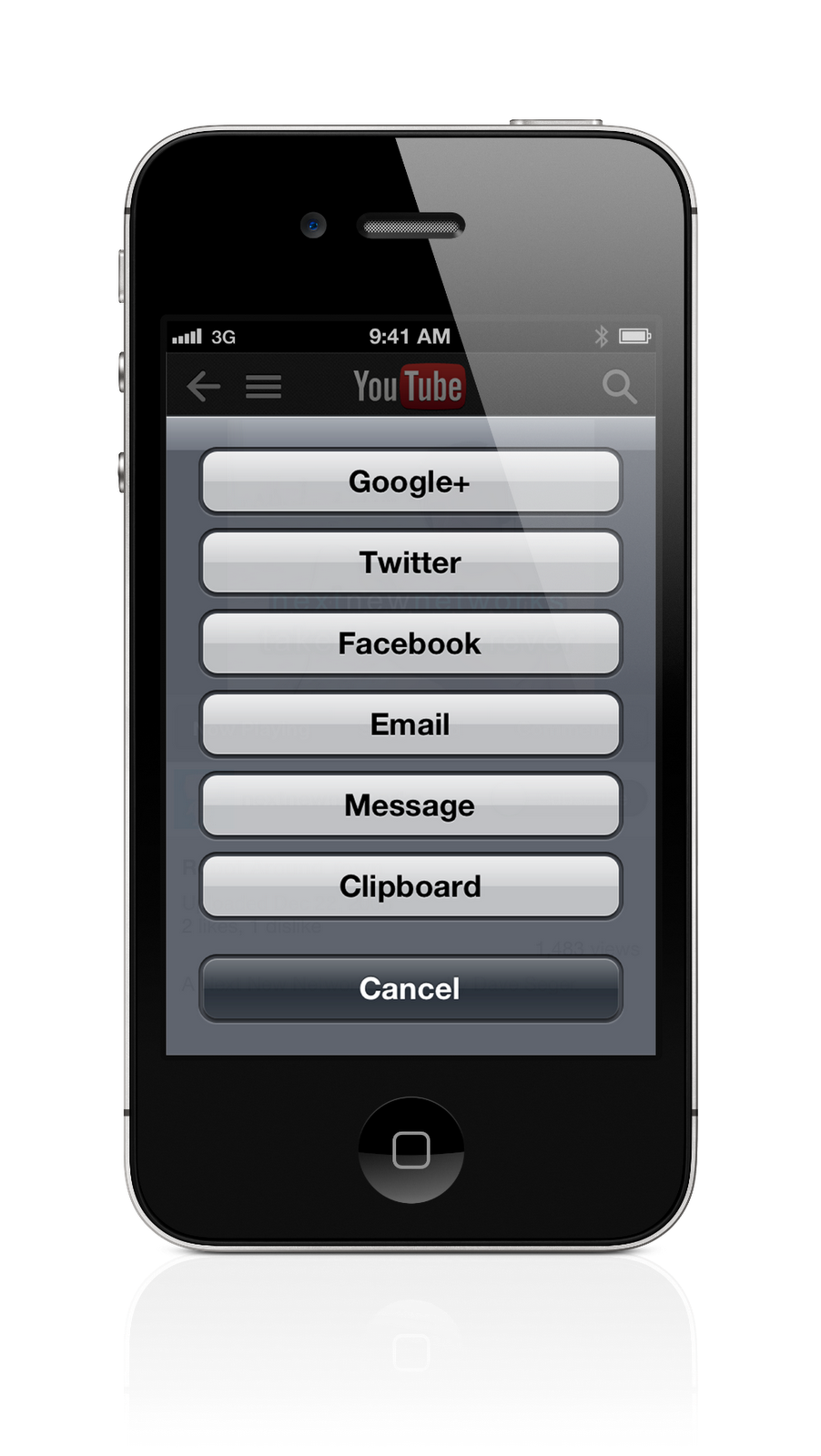
The new app is built by YouTube engineers, to give our iPhone and iPod touch users the best mobile experience. Here’s what you’ll find:
Tens of thousands more videos: Watch official music videos like Taylor’s latest hit.
New YouTube channel guide: Swipe your finger from the left edge of the screen to reveal a guide with your subscribed channels on YouTube, giving you instant access to everything from Alli Sports to YOMYOMF.
Find awesome videos faster: Get to videos like “Gangnam Style” faster with new search tools that give suggestions while you type, and let you sort through videos or channels. Flip through related videos, comments and more info, all while watching a video.
More ways to share with the people you love: Share that incredible video you found on YouTube on Google+, Facebook or text message in the app, as well as from Twitter and email.
There’s even more to explore with the new YouTube app for iPhone and iPod touch, available for download from the App Store today. We’re working on an optimized version of the YouTube app for iPad in the coming months, and stay tuned for more details.
You’ve already shown us you love YouTube on mobile—to the tune of 1 billion mobile views a day—so we can’t wait to see what you think about this new experience.
(Cross-posted on the YouTube blog)
Monday, September 10, 2012
Google Drive: Updates for iOS and Android
Every day, more and more people are choosing to live online and get things done in the cloud. Helping to make this experience as seamless as possible, Google Drive is one place where you can create, share and keep all your stuff. Drive is available on the web, as well as Mac, Windows and Android and iOS.
Updates for iOS
Starting today, if you’re using the Drive app on your iOS device you can also edit Google documents, just as you can with the Android app. From your iPhone or iPad, you can create a new document, edit an existing one or format text. And, just like on your computer, you’ll be able to see other people’s edits instantly as they’re made.

Updates for Android
We’re also updating the Drive app for Android phones and tablets today. You can now add comments, reply to existing comments and view tables in your Google documents. And you’ll have the same new abilities to view presentations and organize your stuff as your friends with iPhones do.
More to come...
Looking ahead, we have plenty more planned for the Drive mobile apps—including native editing and real-time collaboration for Google spreadsheets. Stay tuned.
Get Drive in the App Store for your iPhone, iPad or iPod touch and visit the Play Store to get the latest on your Android phone or tablet. To learn more about Google Drive, visit drive.google.com/start.
Posted by Anil Sabharwal, Senior Product Manager
(Cross-posted on the Enterprise and Drive blogs)
Wednesday, September 5, 2012
Making exploration easier for people around the world with Google Maps
Maps keep our spirit of adventure alive by making it easier for us to explore the world around us. That’s why today, we’re making Google Maps even better with new turn-by-turn navigation with traffic conditions, biking directions, Map Maker and new Street View imagery in more locations globally. These improvements are part of our ongoing effort to build the best map we can -- one that’s comprehensive, accurate and easy for you to use.
First, we’re expanding Google Maps Navigation (Beta) with voice guided, turn-by-turn directions in thousands of towns across India. Navigation is one of the most frequently requested features in this region and can be especially helpful when driving in densely populated cities like Delhi or Bangalore. We’re also adding live traffic conditions for major roads with estimated travel times to help you save time and to reduce stress on the road.

Biking directions and Map Maker are also now rolling out to New Zealanders. Local cyclists can access biking directions directly on Google Maps, and use Map Maker to add bike lanes and trails if their favorite route is missing or they discover a new one. Beyond biking trails, Map Maker can also be used to make the New Zealand map more accurate with details such as new road names, building footprints and more.

Biking directions from Remuera in Auckland to the local Google office
Later today, we’ll also release new Street View imagery for more than 150 university campuses globally. With classes just getting started, freshman students, transfers and even empty-nesting parents can now familiarize themselves with college campuses around the world, including UCLA in the U.S., Pembroke College in the U.K., McGill University in Canada and Sophia University in Japan. These new panoramic views join our growing list of universities whose campuses are already available in Google Maps.
View Larger MapRoyce Hall at the University of California, Los Angeles
Finally, to celebrate all the places you can reach with Google Maps—all seven continents, the sky, the moon and even the depths of the ocean—we made a video that we hope will inspire you to keep exploring.
Keep exploring at maps.google.com/helloworld. Here’s to many new adventures.
(Cross-posted on the Lat Long blog)
First, we’re expanding Google Maps Navigation (Beta) with voice guided, turn-by-turn directions in thousands of towns across India. Navigation is one of the most frequently requested features in this region and can be especially helpful when driving in densely populated cities like Delhi or Bangalore. We’re also adding live traffic conditions for major roads with estimated travel times to help you save time and to reduce stress on the road.

Turn-by-turn voice navigation in New Delhi, India
Biking directions and Map Maker are also now rolling out to New Zealanders. Local cyclists can access biking directions directly on Google Maps, and use Map Maker to add bike lanes and trails if their favorite route is missing or they discover a new one. Beyond biking trails, Map Maker can also be used to make the New Zealand map more accurate with details such as new road names, building footprints and more.

Later today, we’ll also release new Street View imagery for more than 150 university campuses globally. With classes just getting started, freshman students, transfers and even empty-nesting parents can now familiarize themselves with college campuses around the world, including UCLA in the U.S., Pembroke College in the U.K., McGill University in Canada and Sophia University in Japan. These new panoramic views join our growing list of universities whose campuses are already available in Google Maps.
View Larger Map
Finally, to celebrate all the places you can reach with Google Maps—all seven continents, the sky, the moon and even the depths of the ocean—we made a video that we hope will inspire you to keep exploring.
Keep exploring at maps.google.com/helloworld. Here’s to many new adventures.
(Cross-posted on the Lat Long blog)
Subscribe to:
Posts (Atom)